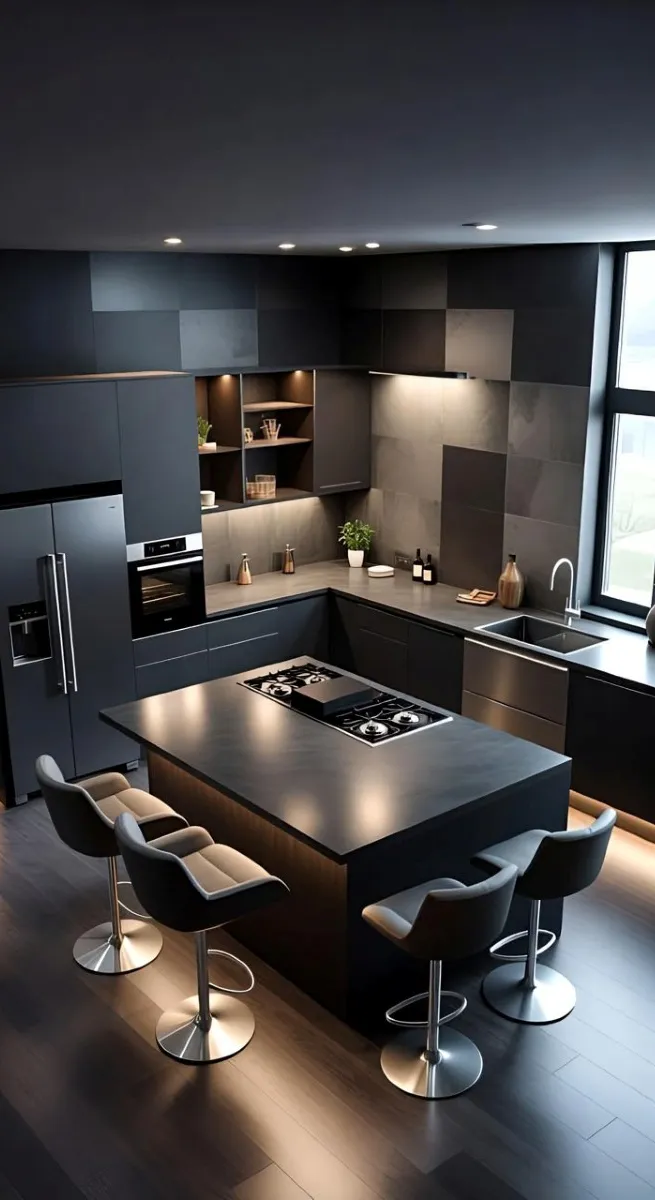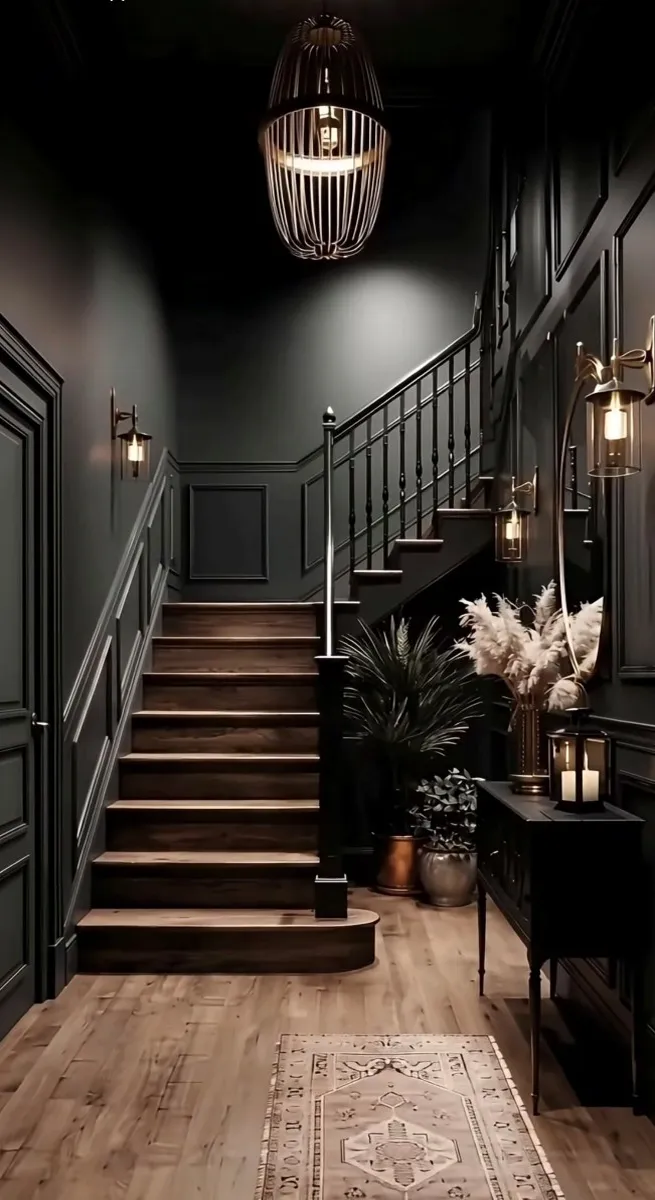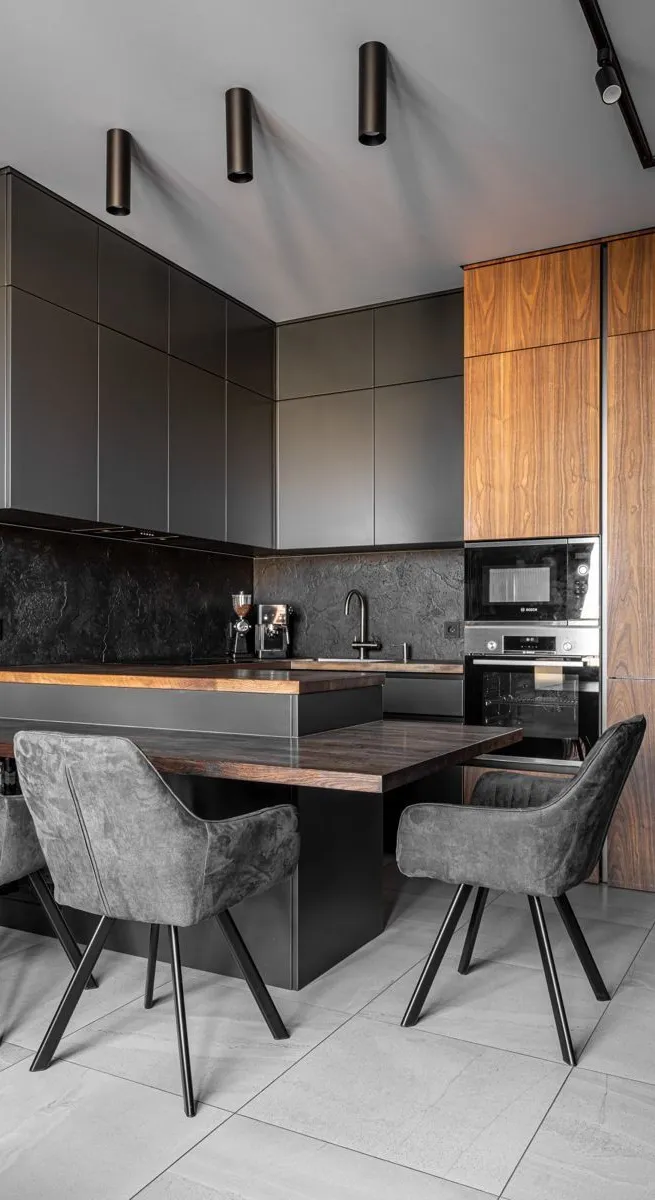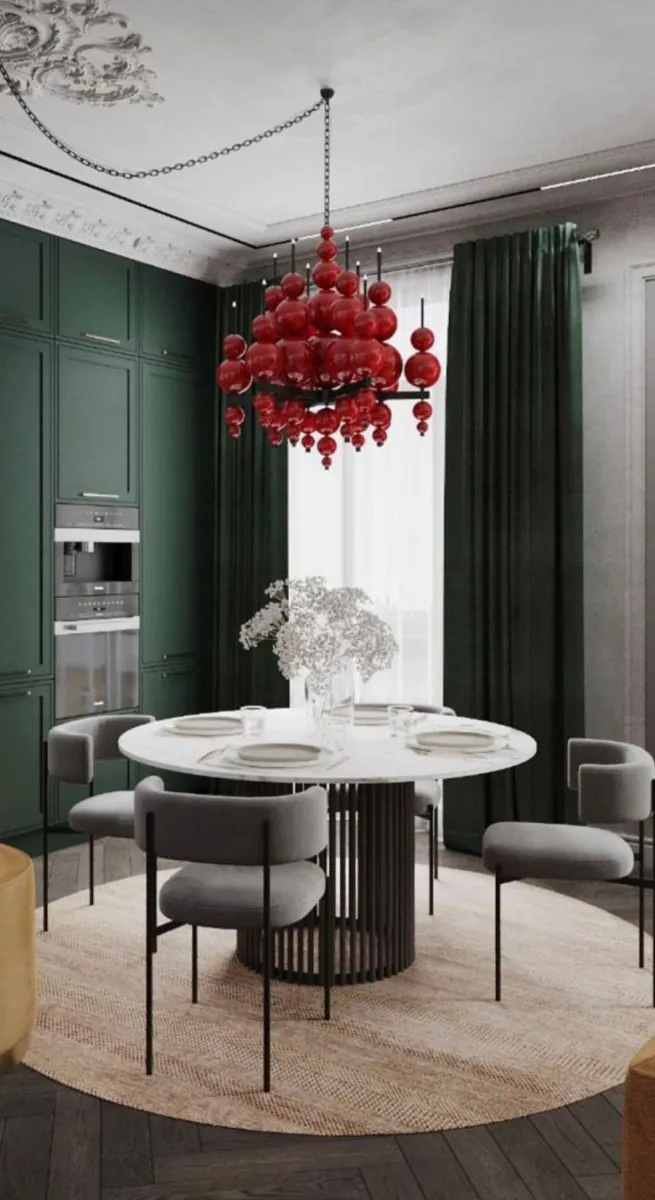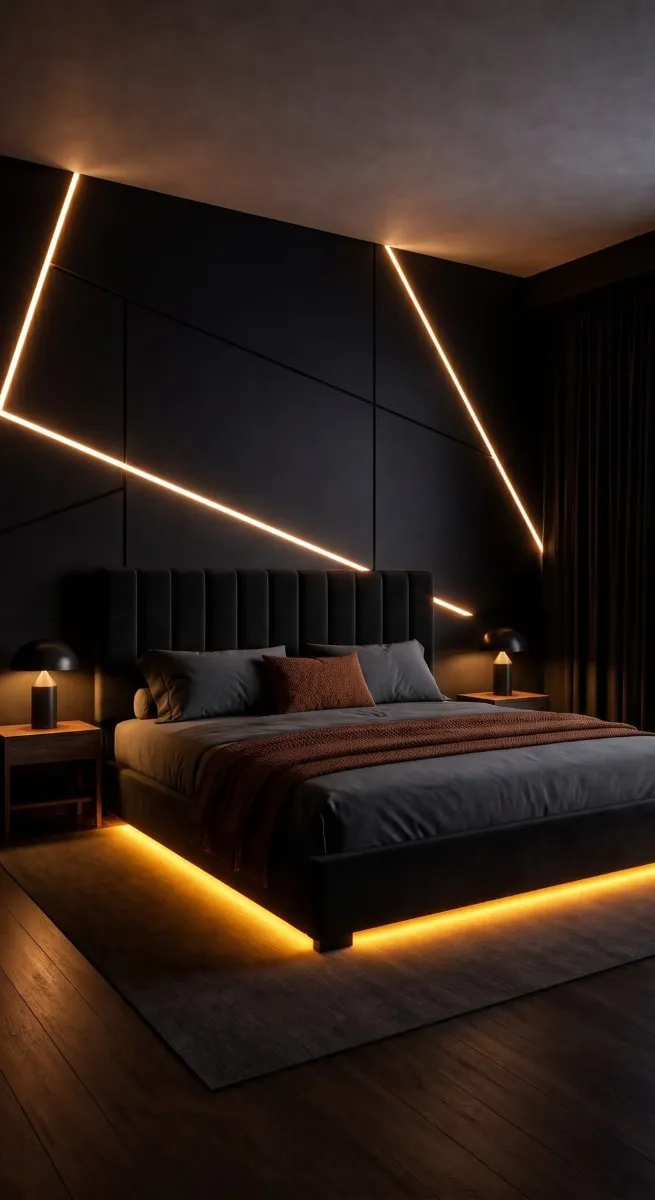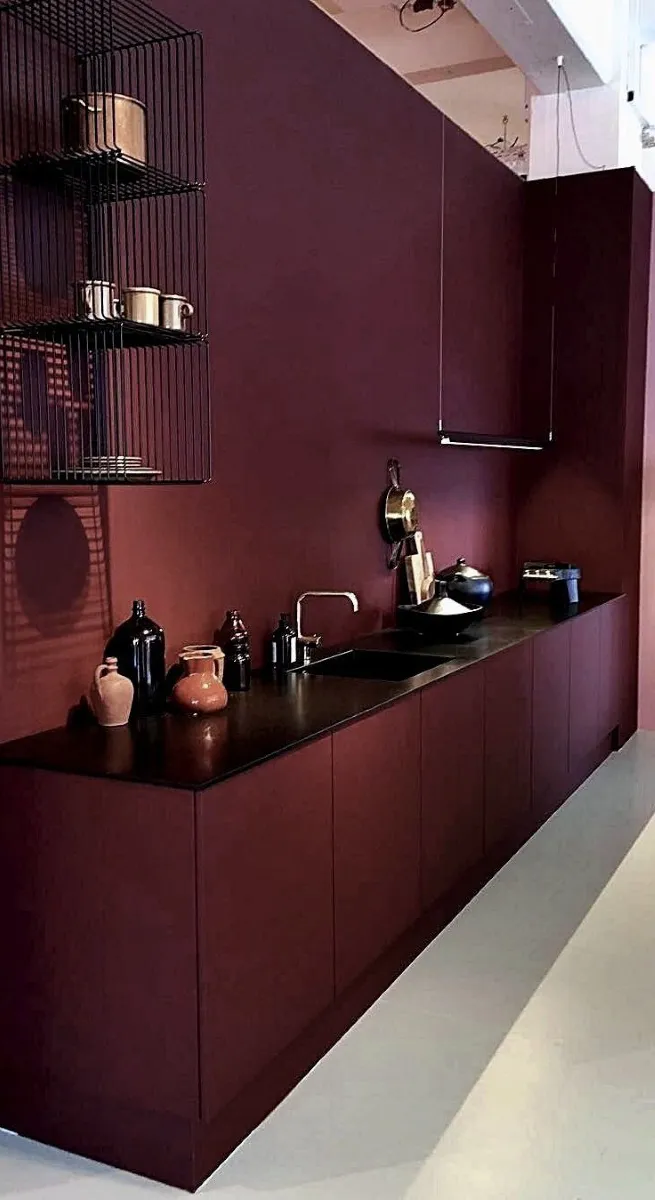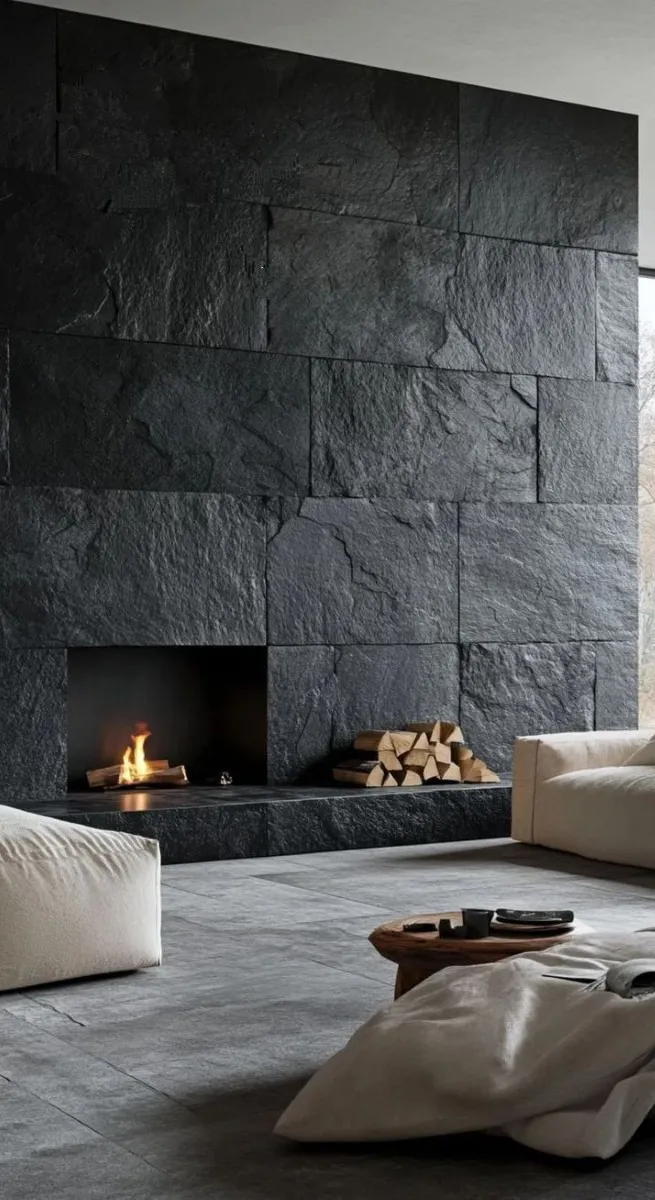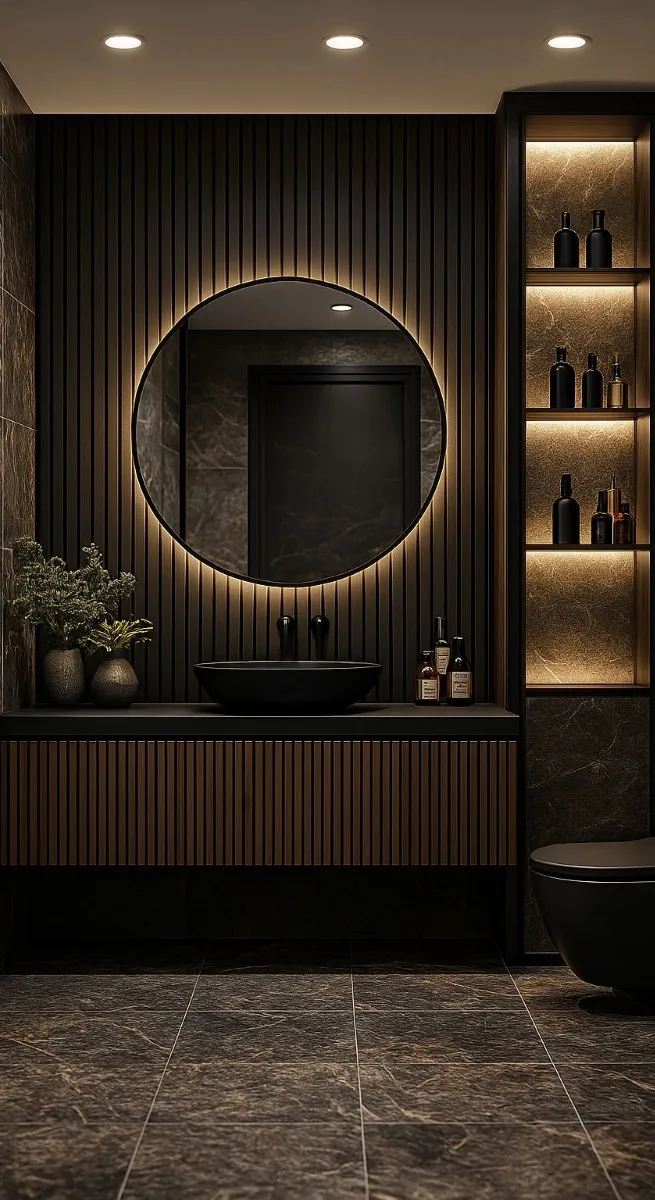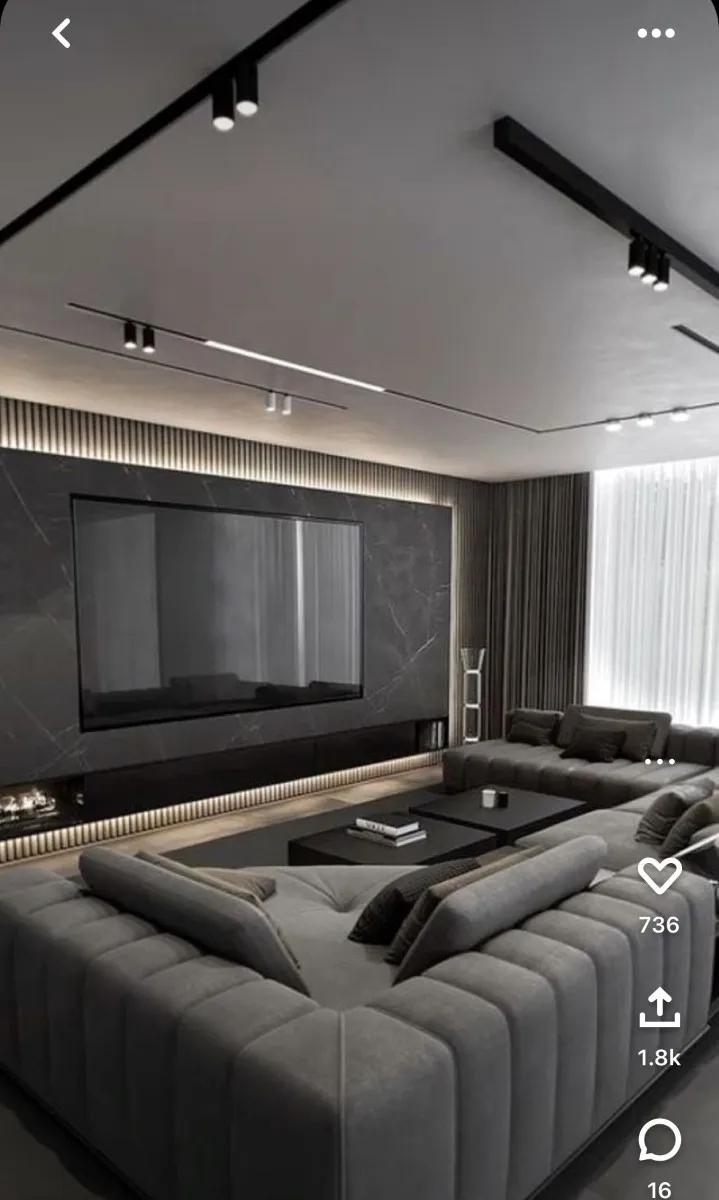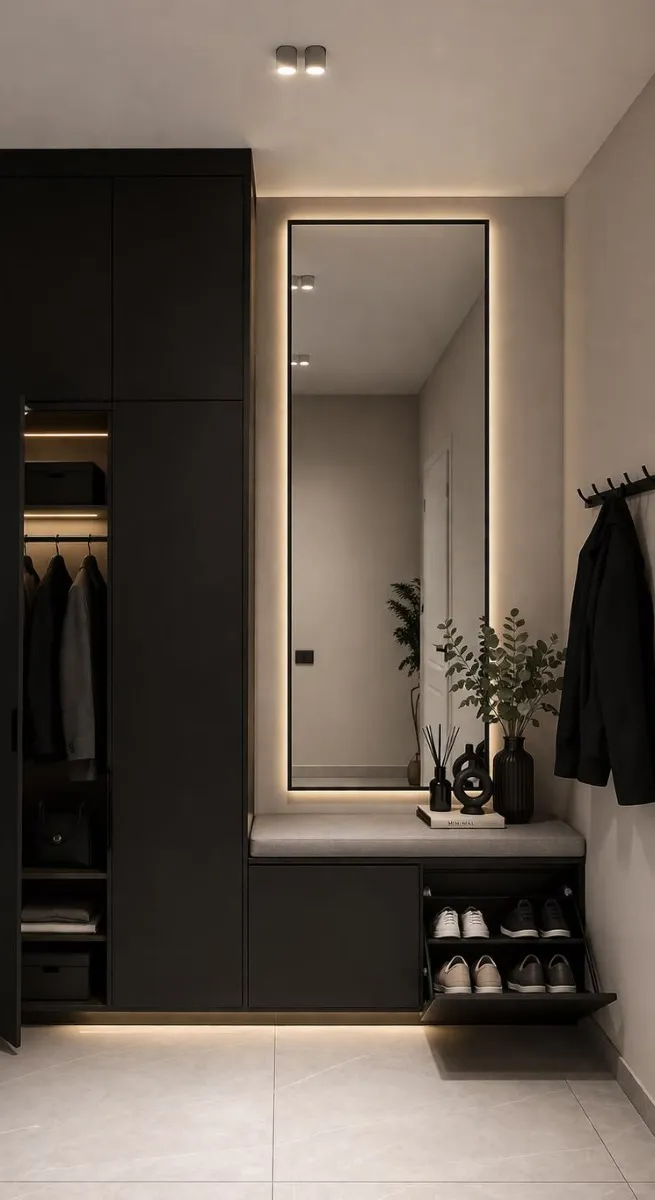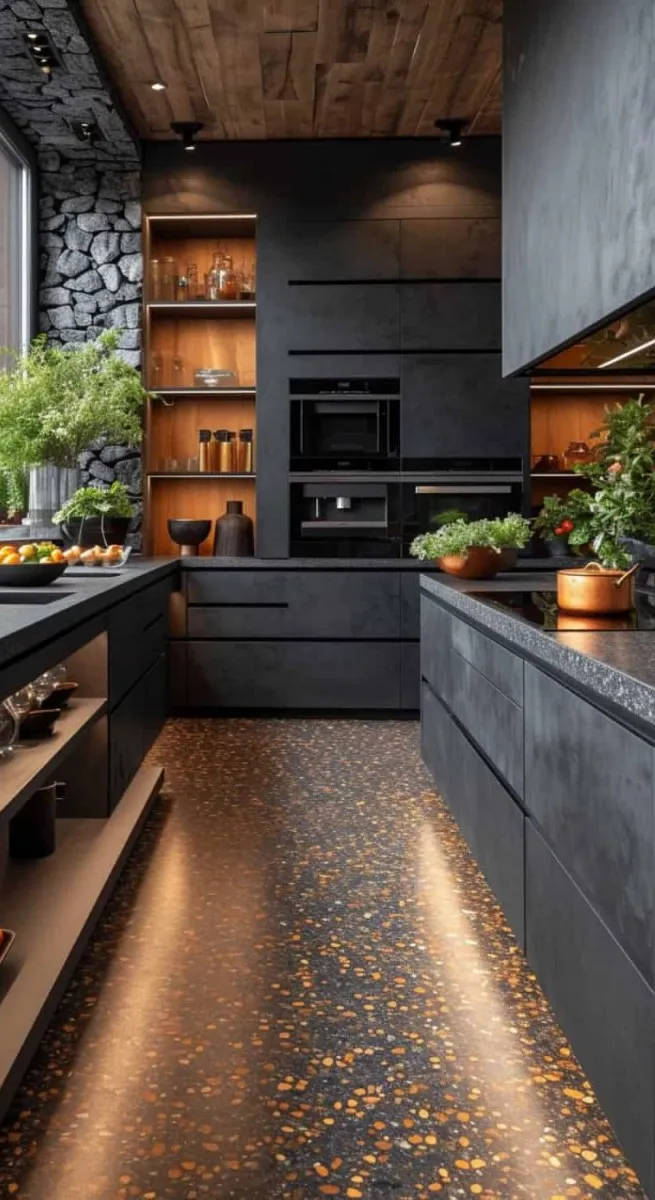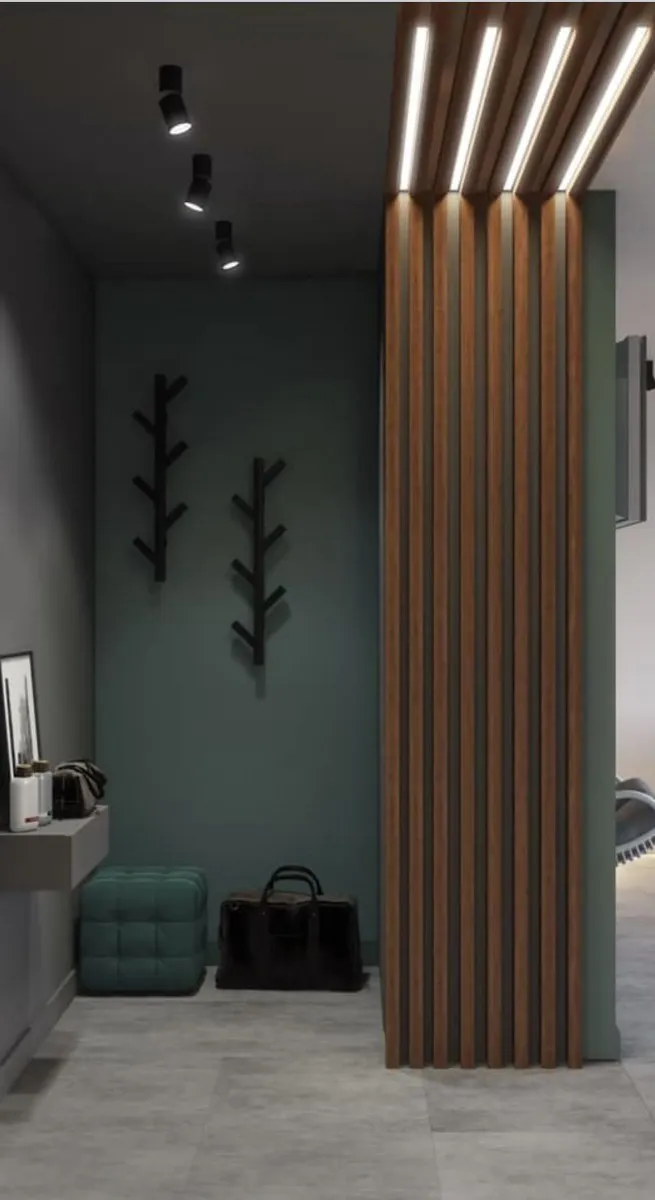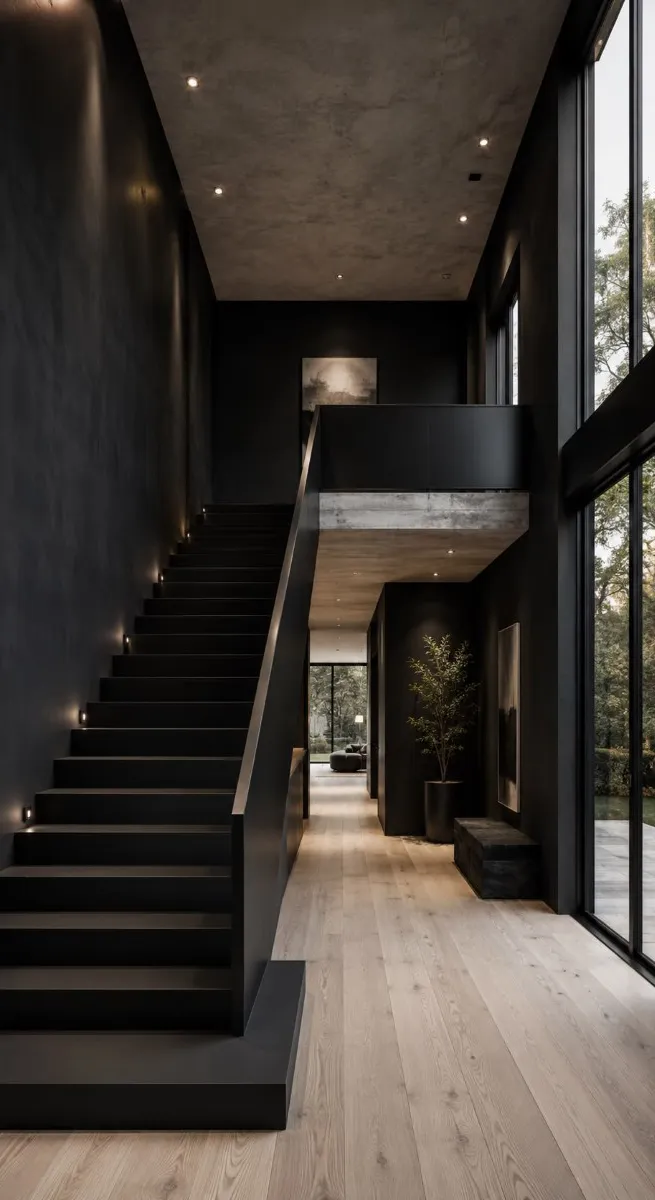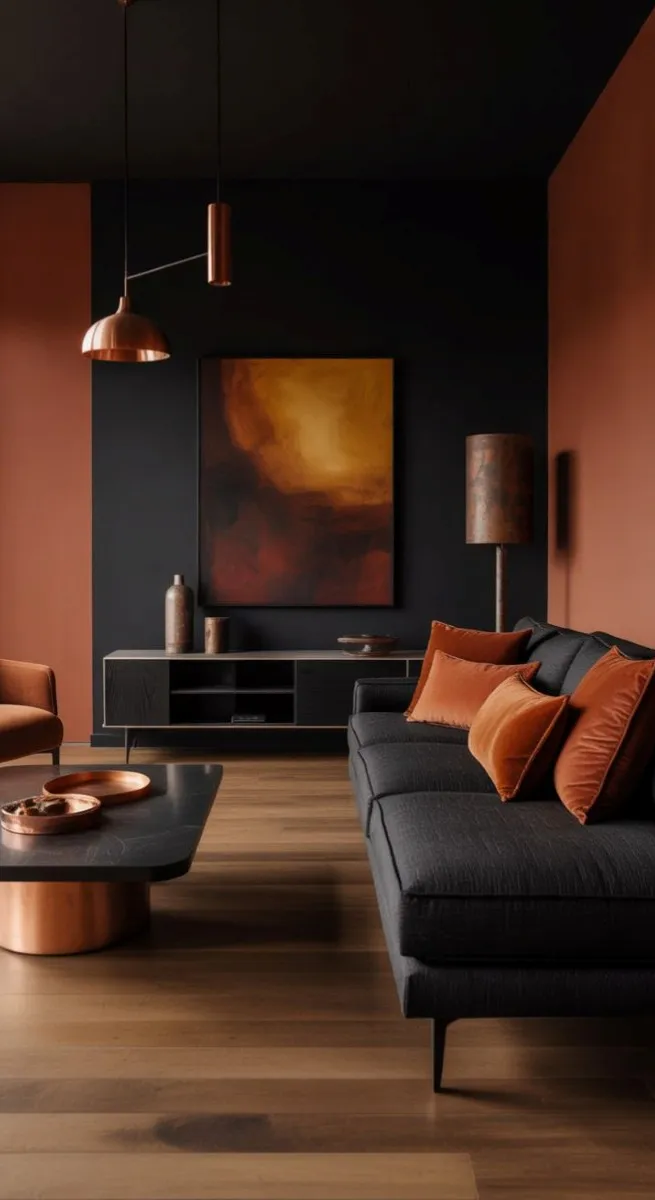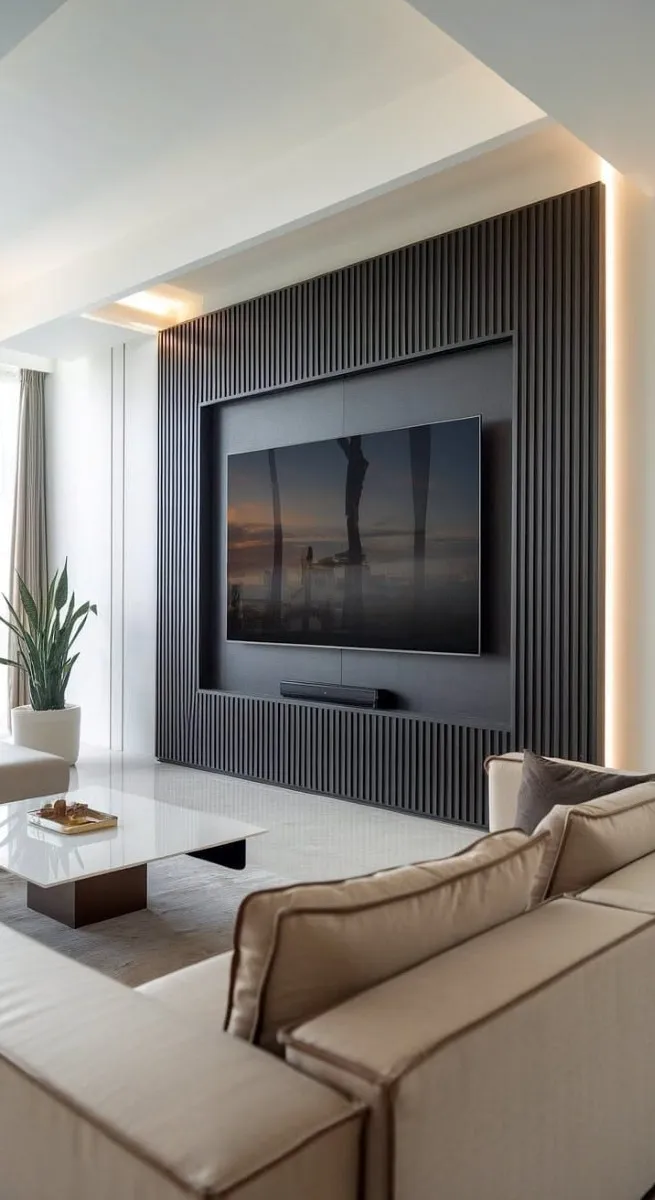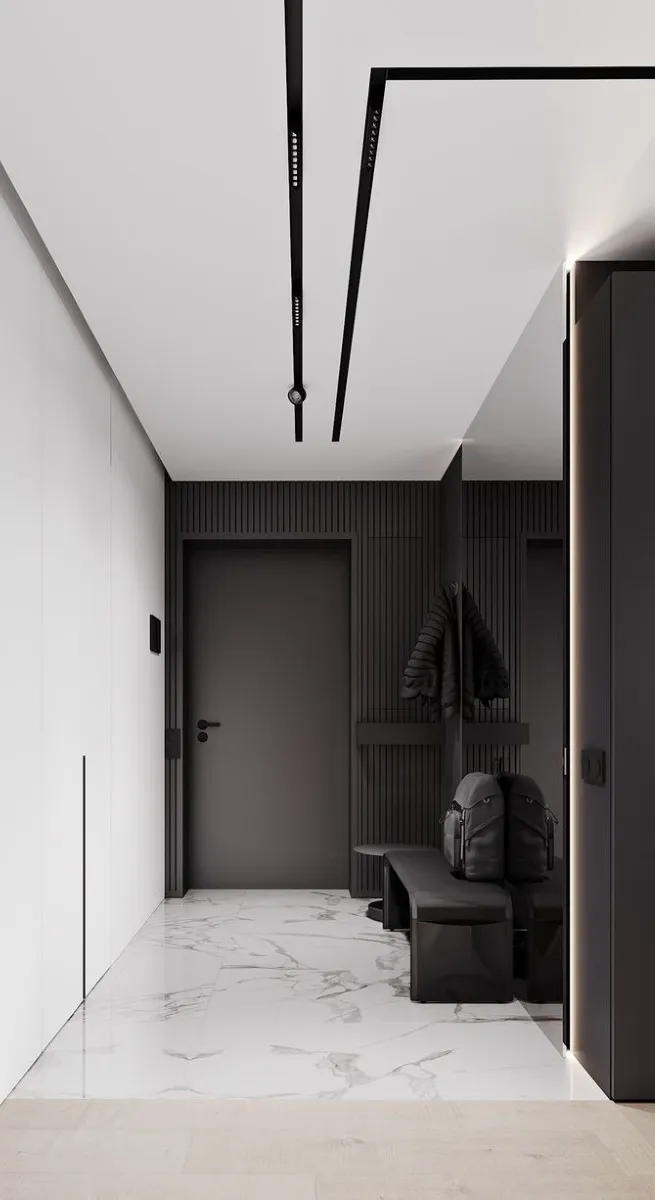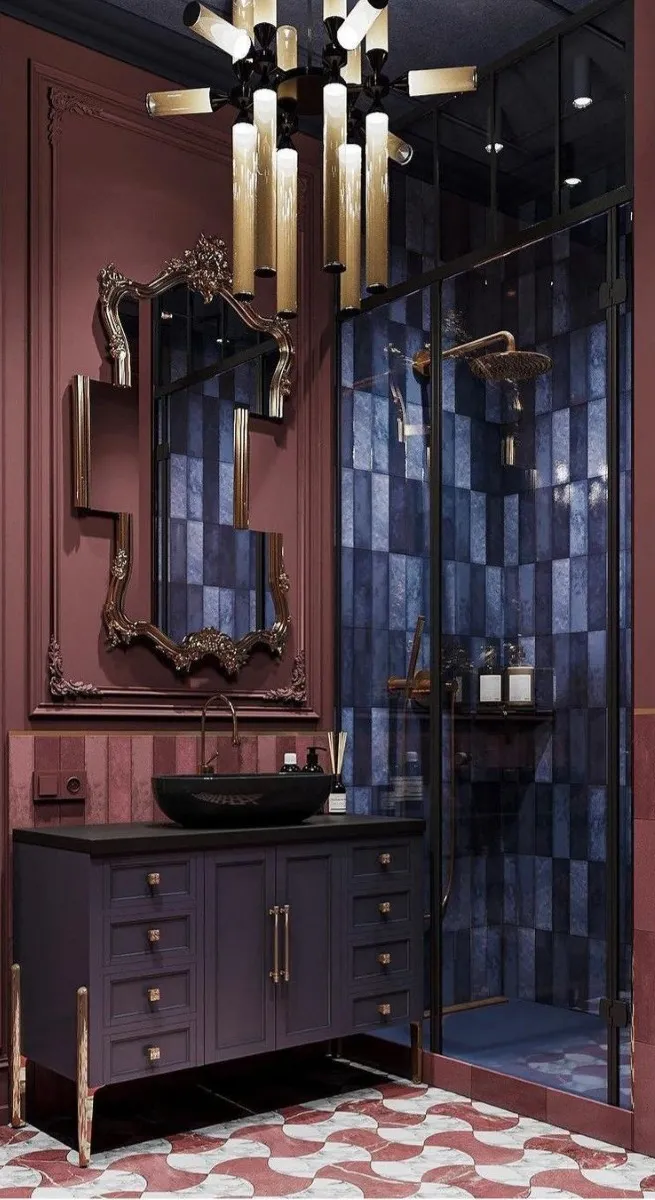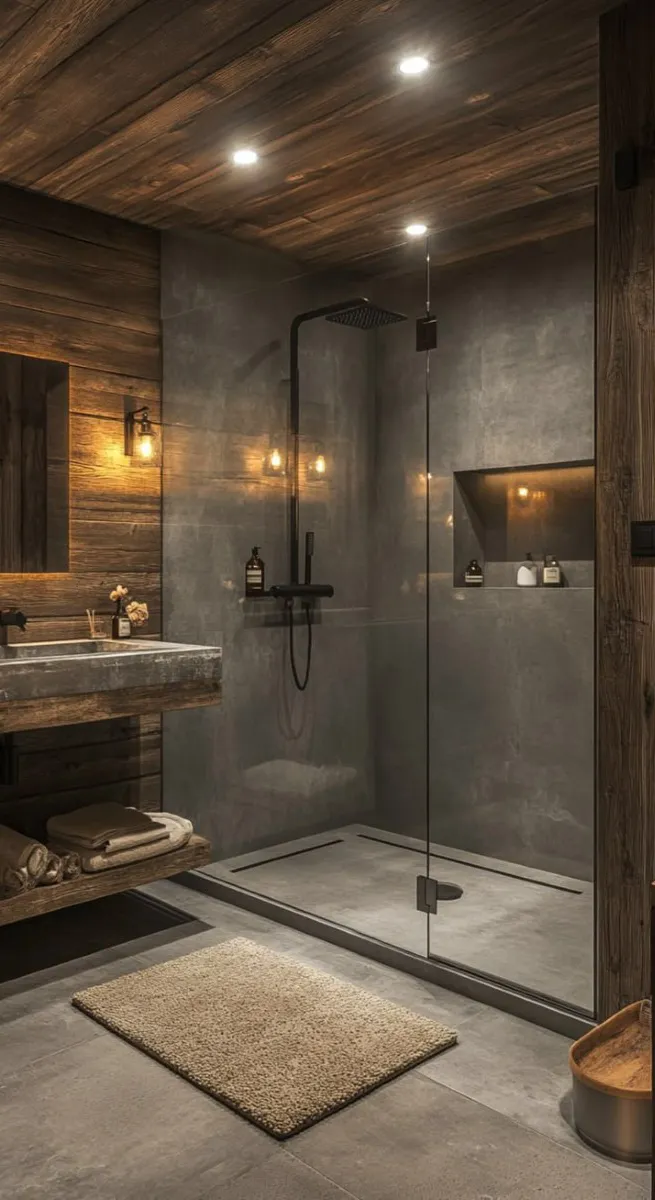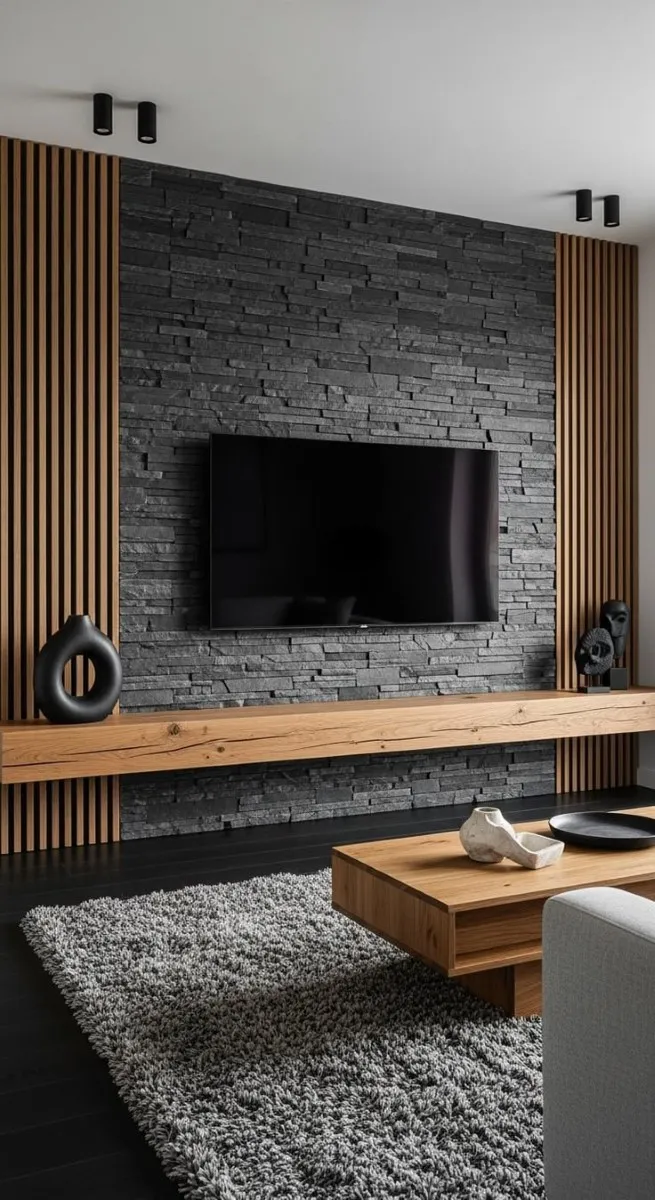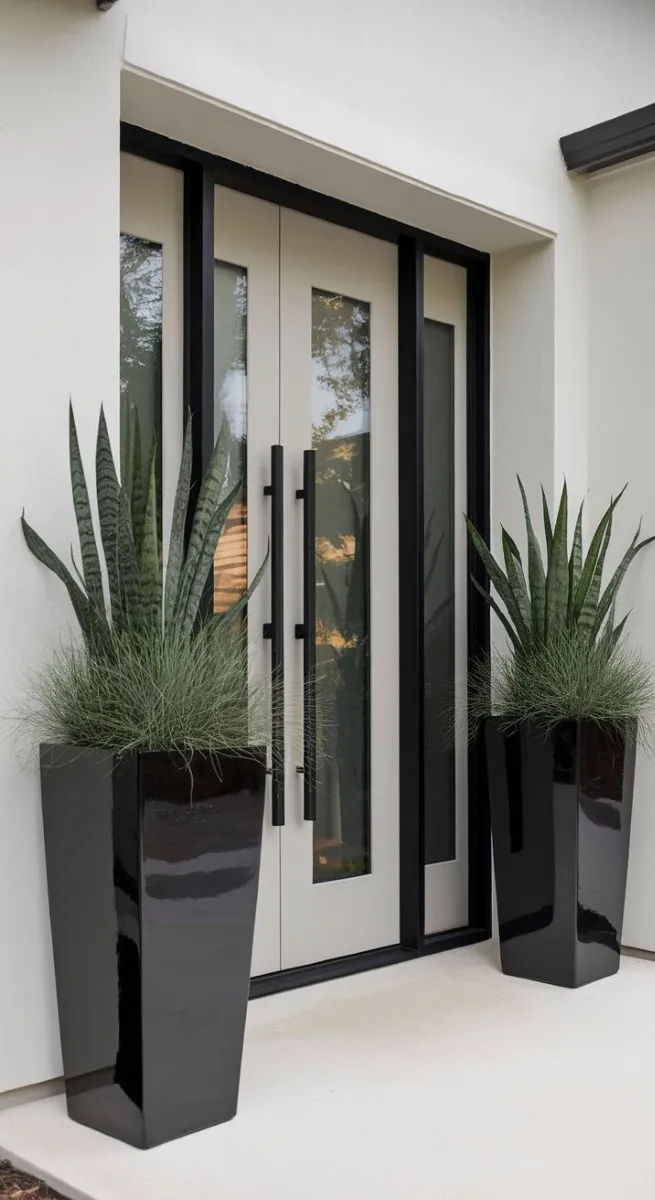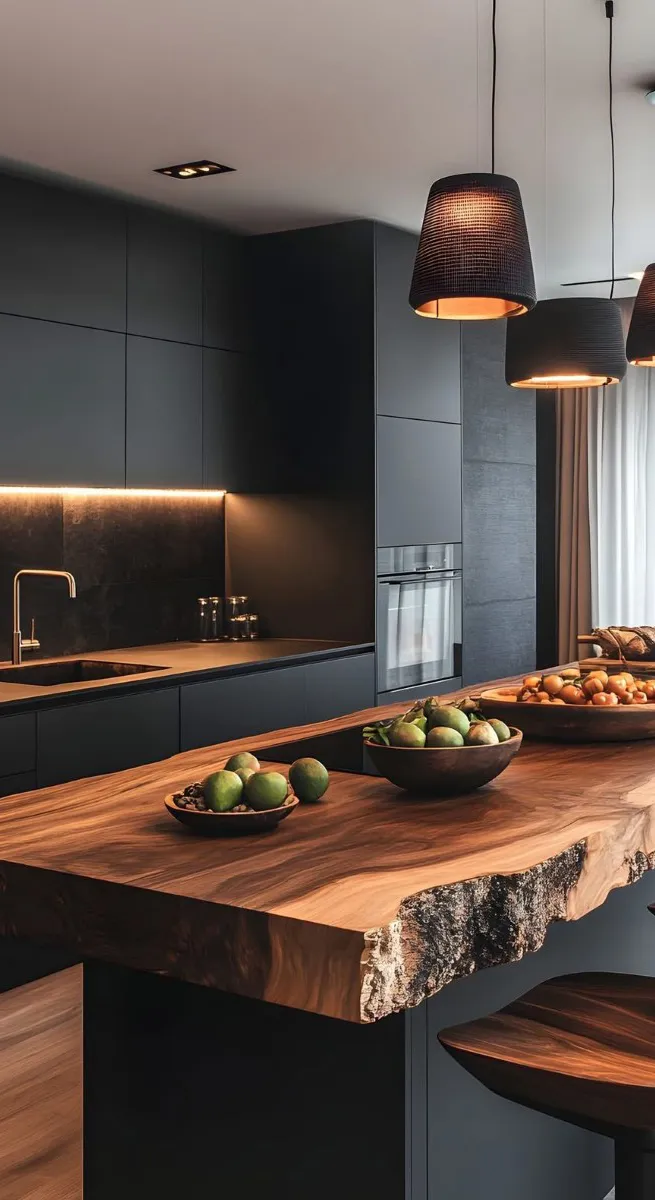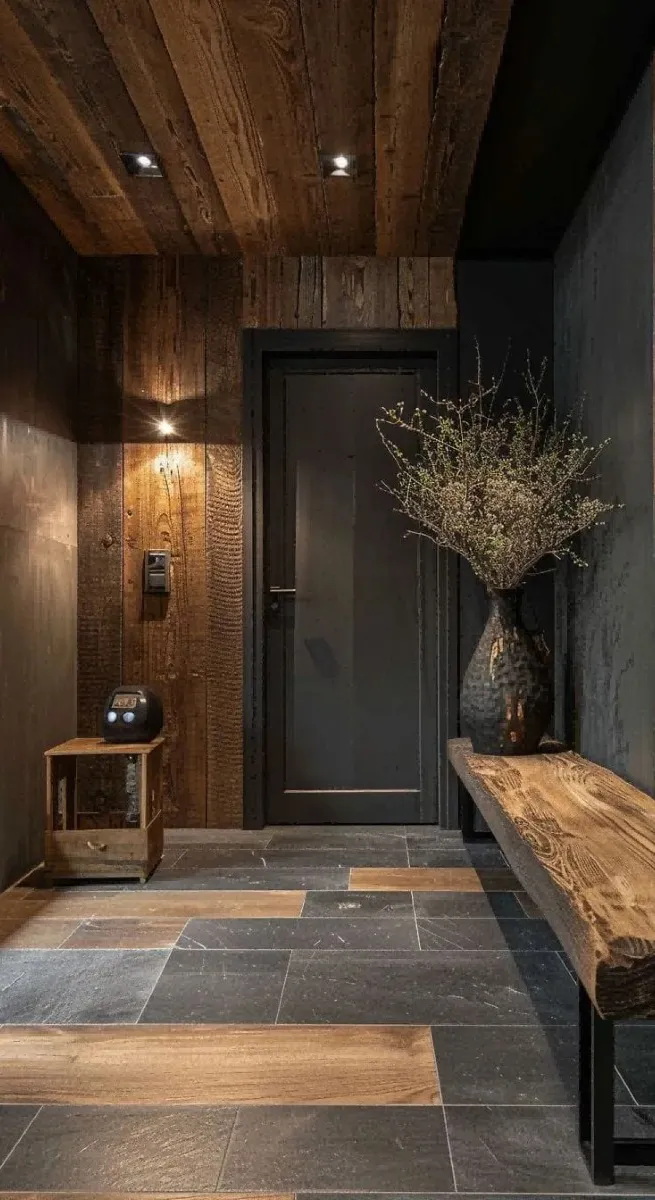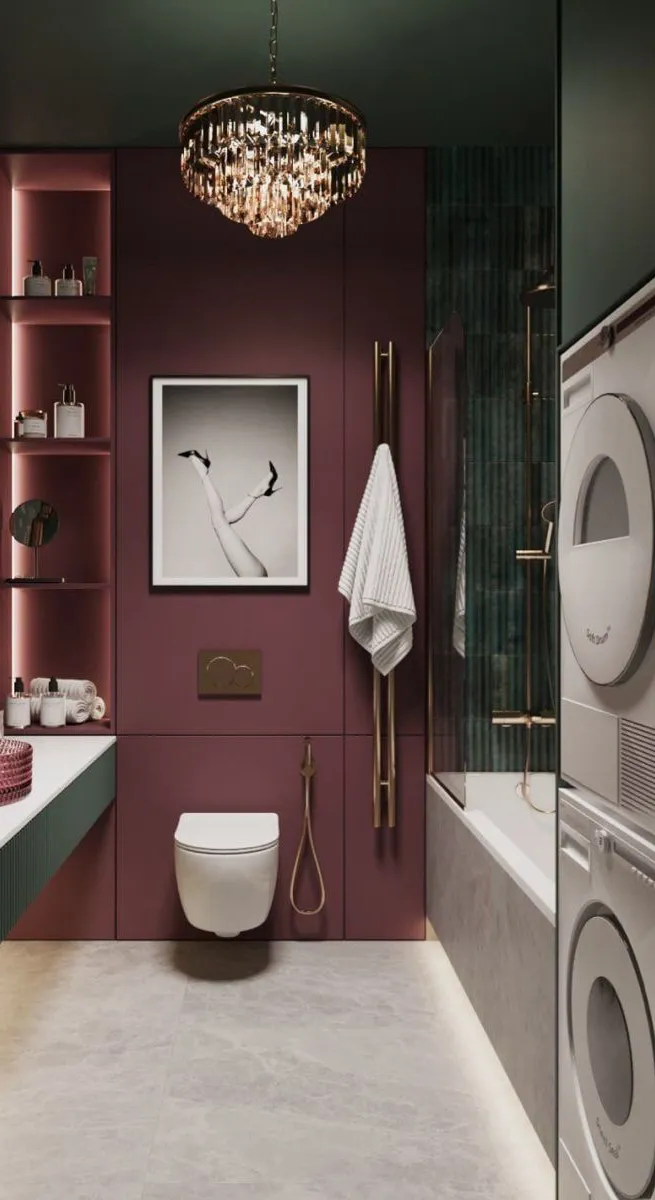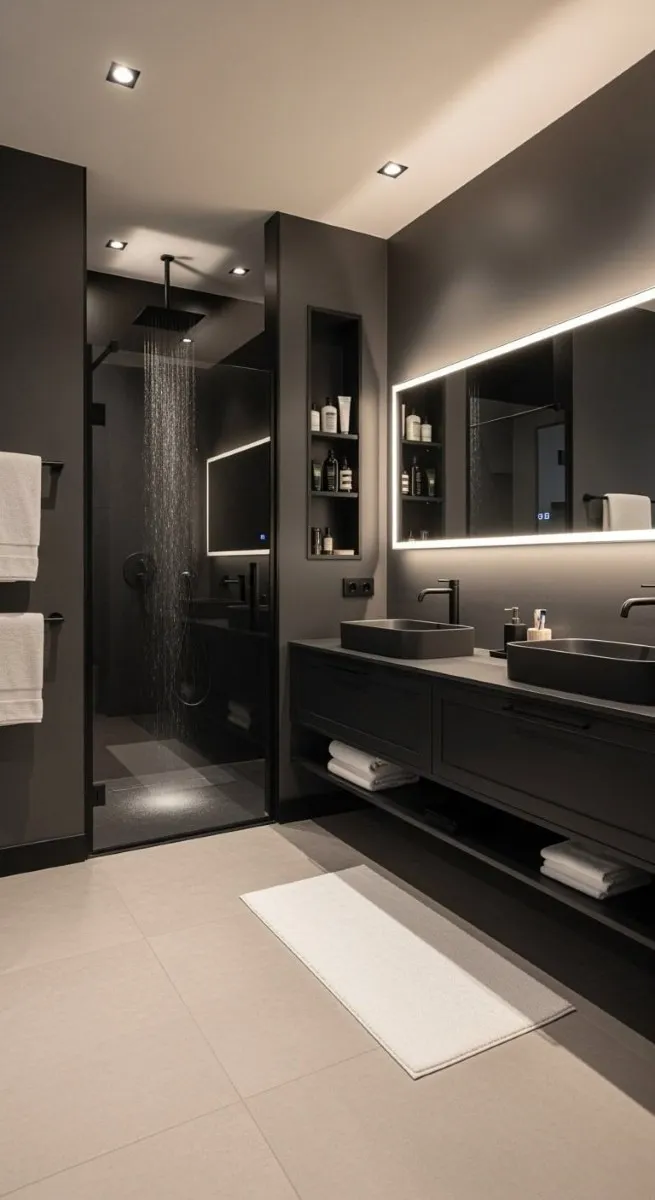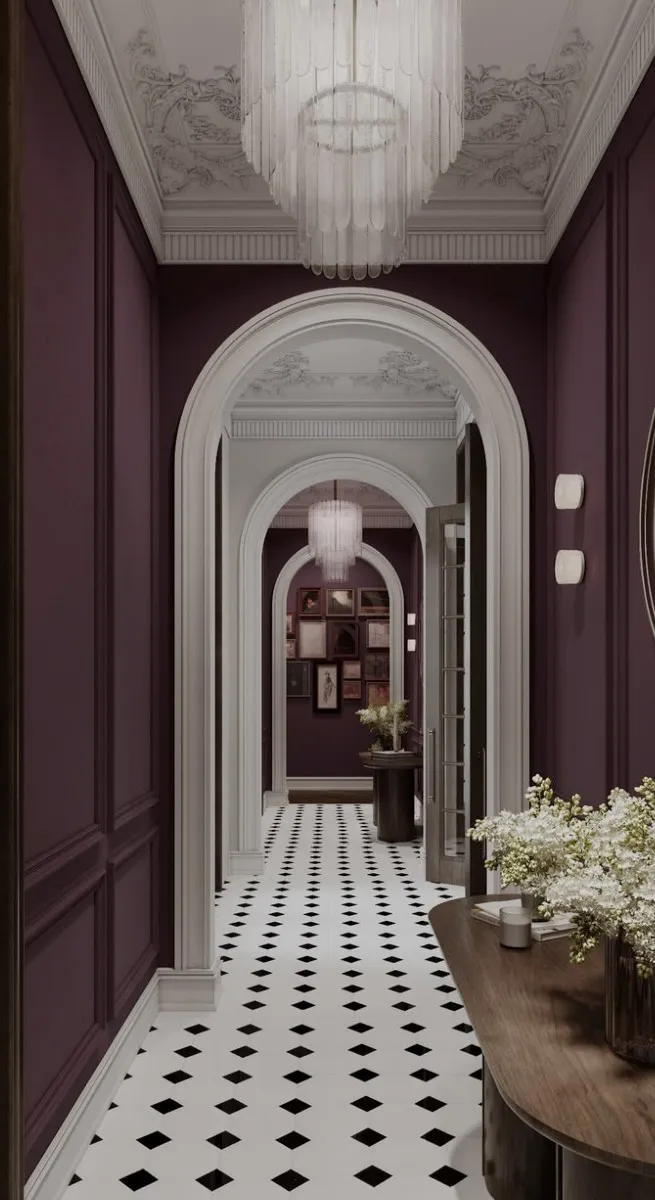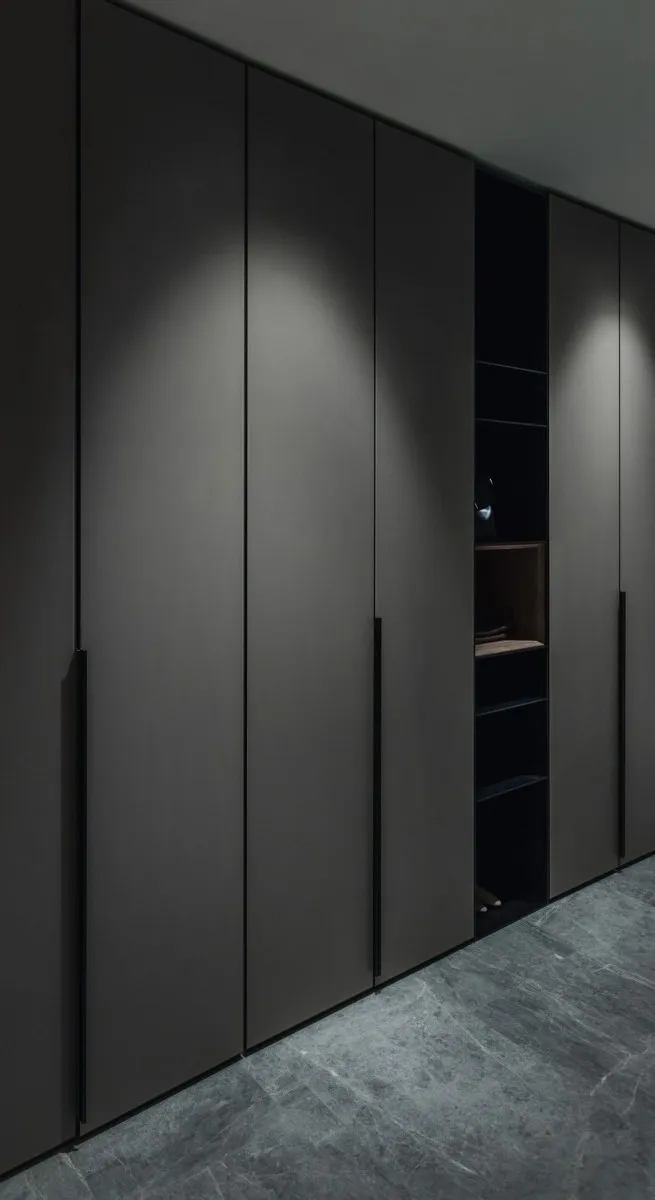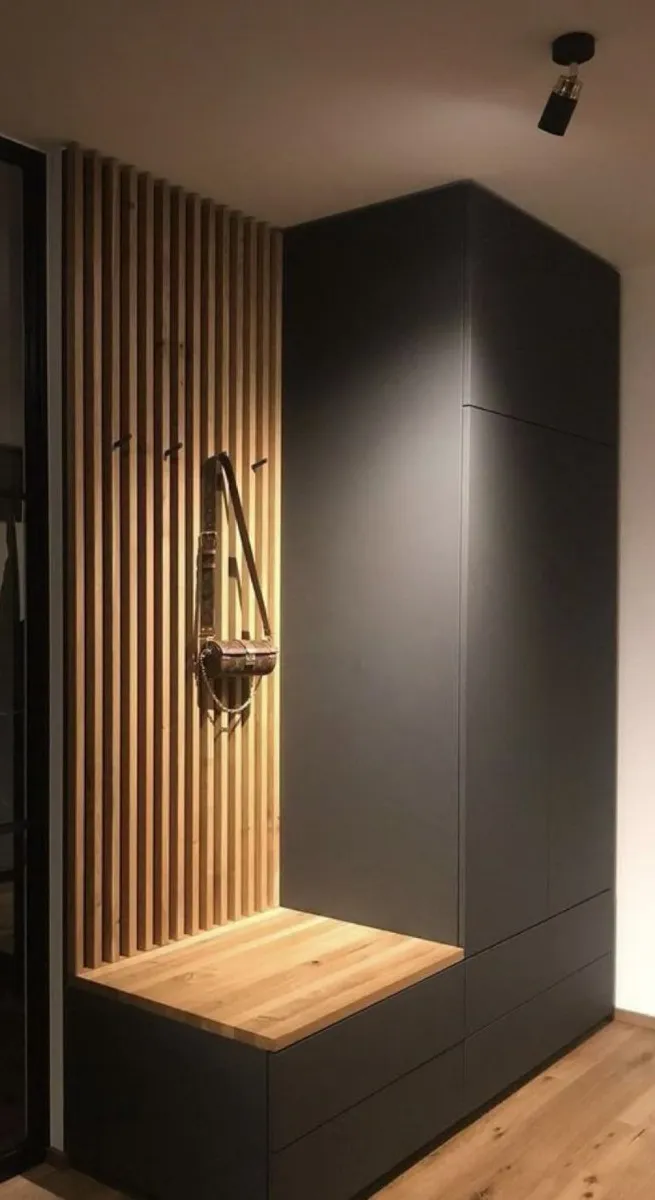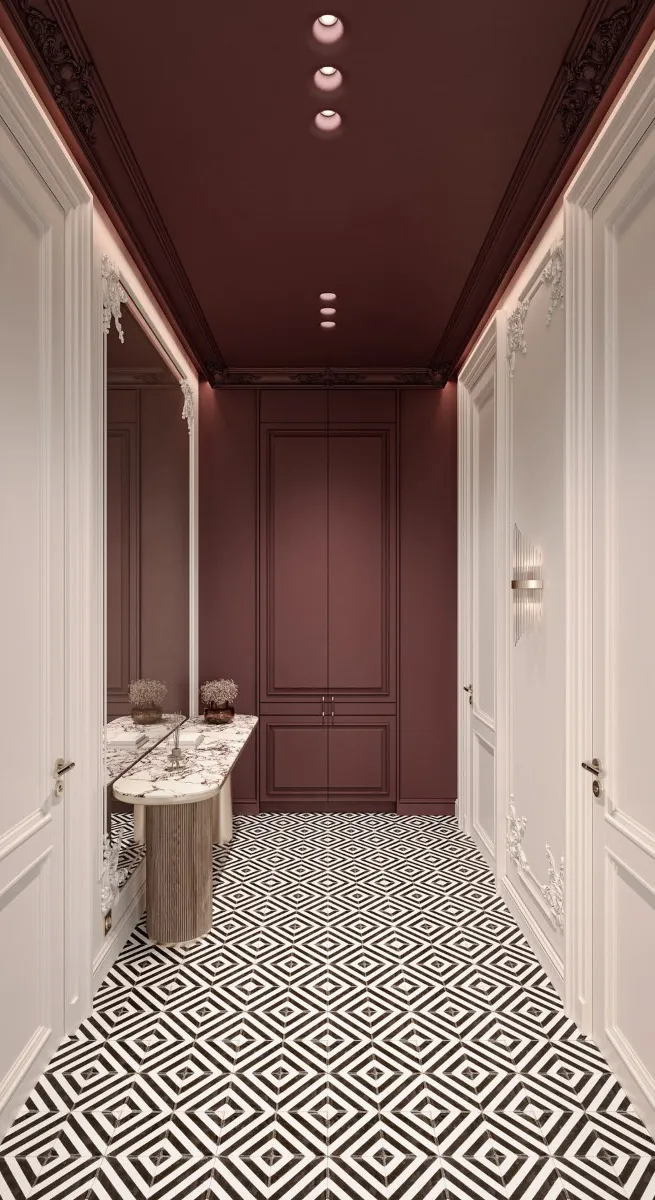

The interior design direction at Maison Alexander Larin Deconstruction House was born as a response to the need to rethink the very nature of space. We work with the tension between form and idea, between material and concept. Here, concrete can become poetry, wood a metaphor, and light an instrument of philosophical dialogue. Our interiors do not strive for mere utility; they create an atmosphere in which every element carries intellectual weight.

We believe that interiors can be more than places of living or working — they can become environments for the transformation of consciousness. The space of Maison Alexander Larin Deconstruction House is a laboratory of ideas, where architecture and design speak the language of culture, identity, and the future. Nothing is accidental: every line, every surface, every material is part of a conceptual composition that engages in dialogue with the human being.

In our practice, we combine minimalism with avant‑garde, rigor with experiment, materiality with metaphysics. We work with asymmetry, texture, light, and shadow to create interiors that do not simply exist but think. These are environments that provoke, inspire, and transform.

Maison Alexander Larin Deconstruction House is not about comfort in the conventional sense. It is about intellectual tension that generates new meanings. It is about interiors that make one reflect, feel, and reconsider. It is about art that lives within form yet transcends its boundaries, shaping a new culture of thought through space.
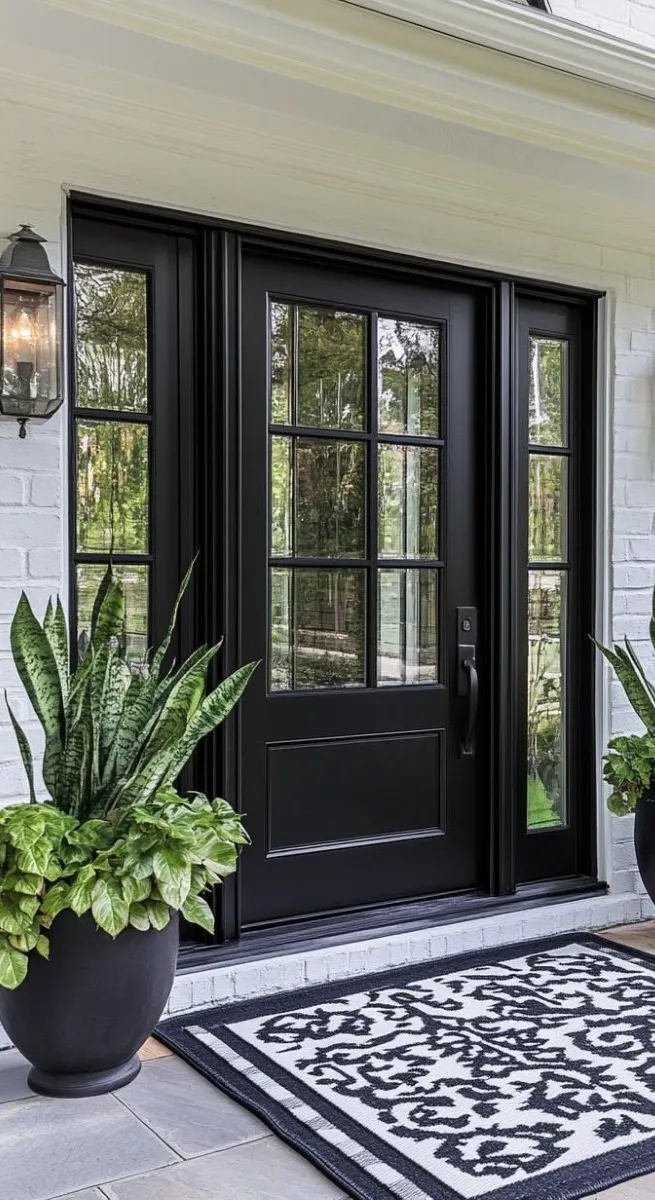
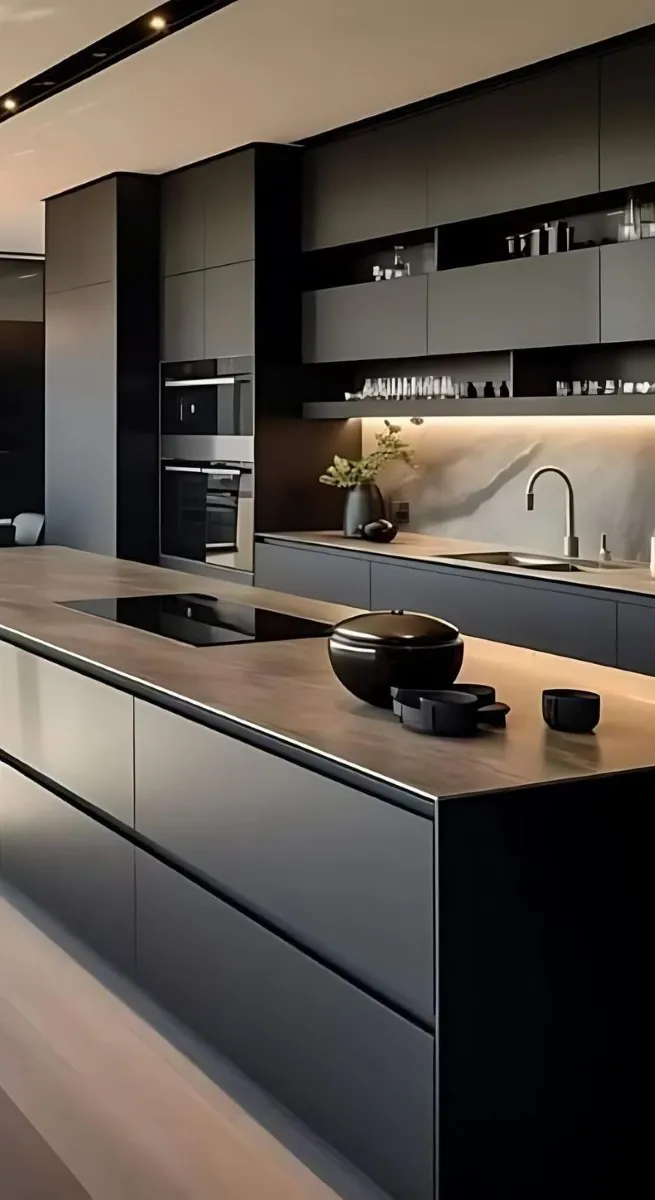
At Maison Alexander Larin Deconstruction House, we believe that interior design and fashion are two languages ​​of the same art form. Both arise from the same fundamental need: to reimagine form, break it down into its constituent parts, and reassemble it within a new system of meaning. This is why deconstruction in interiors resonates naturally with deconstruction in fashion—both approaches explore the tension between material and idea, between function and concept.

Just as we dismantle conventional architectural canons within a space, we reject traditional silhouettes in our approach to clothing. An interior can serve as a laboratory for thought, while a garment acts as its extension. When an individual enters a Maison Alexander Larin Deconstruction House space, they find themselves in an environment where every surface and texture engages in a dialogue with their consciousness. By donning a deconstructed piece, the individual becomes an active participant in this dialogue, embodying it through their own body.

Deconstruction in both interiors and fashion shares a common goal: to cultivate an atmosphere of intellectual tension that sparks new ways of thinking. In spatial design, this manifests through asymmetry, the interplay of light and shadow, and unexpected material combinations. In fashion, it is expressed through strategic cuts, layering, and contrasting textures that transform the body into a living sculpture. Together, they form a cohesive concept—an environment and an individual united as a single work of art.

This synthesis holds particular significance for contemporary culture, a realm where the boundaries between disciplines are increasingly blurred. An interior is no longer merely a place to live, nor is clothing merely functional protection. They become instruments of thought, vessels for ideas, and catalysts for dialogue. At Maison Alexander Larin Deconstruction House, we aim to demonstrate that true aesthetics emerge precisely at this intersection: where space and the body interact, and where architecture and fashion complement one another, giving rise to a new culture of sensory experience.

Our interiors and clothing collections are not separate worlds, but rather components of a unified conceptual system. They exist in a symphony where every element—from the line of a wall to the line of a dress—becomes part of a philosophical dialogue between the individual and reality.

Interiors